

What Is Psychological Inertia? Definition, Causes, and Real-Life Examples
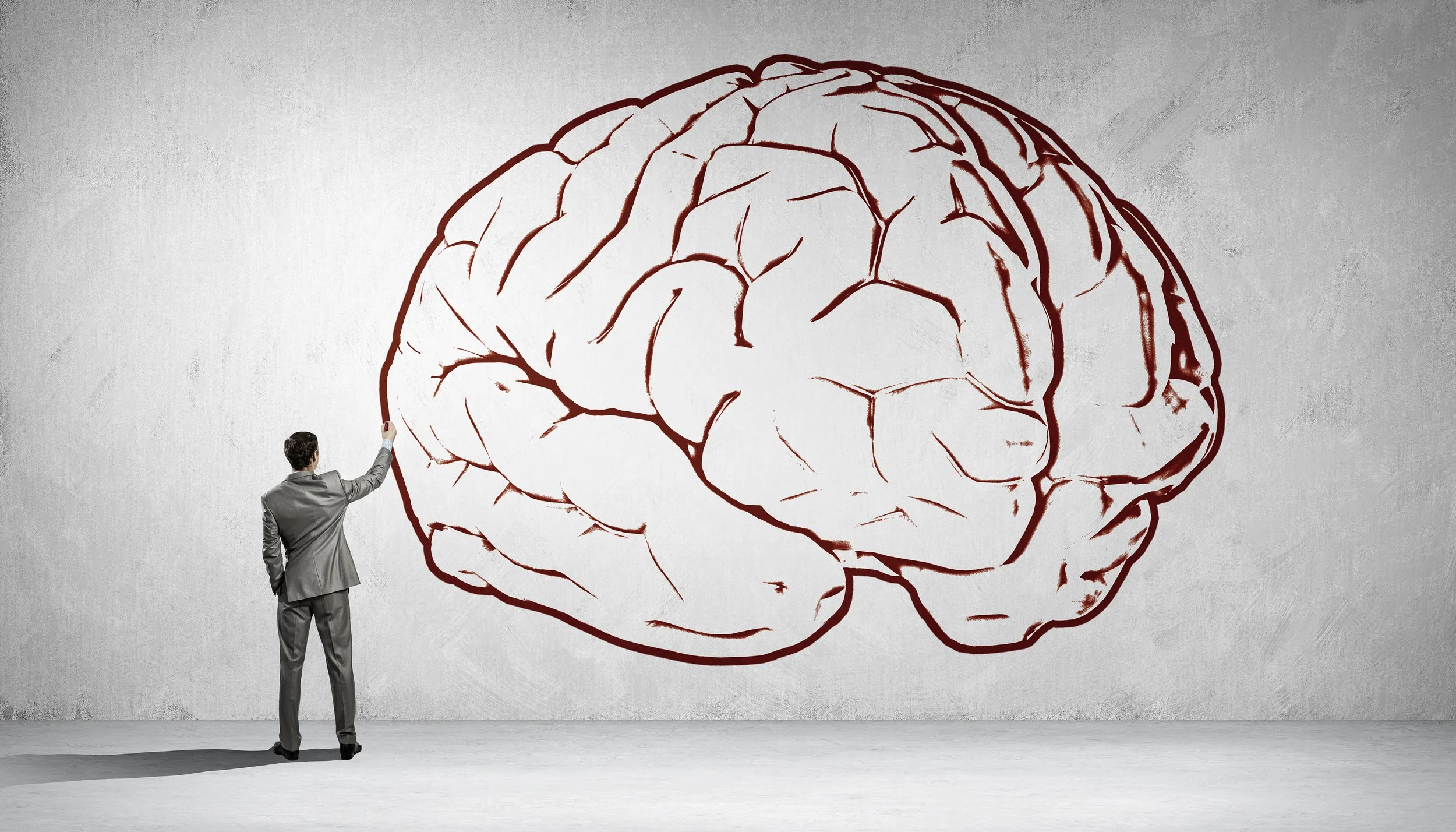
Summary: Psychological inertia describes how the mind stays bound to its established patterns of thinking, feeling, and acting, even when situations require transformation. I perceive this as an unseen power that prevents individuals from breaking their established habits because they prefer the known over the unknown. After all, it brings about emotional turmoil.
I often meet people who tell me the same thing in different ways:
“I know what I need to do, but I still cannot do it.”
“I keep falling into the same patterns.”
“I thought things would change by now.”
Most of us have experienced this feeling in some way, according to my belief.
People make plans to transform their lives. People make promises to themselves that they will finally establish boundaries, which will lead to their departure from toxic relationships and their decision to slow down while they speak out and rest, and build new lives. Yet somehow, we drift back into the familiar version of ourselves again.
I do not believe this condition results from individuals who lack motivation or who choose to avoid work.
The human brain tends to maintain its attachment to known things, which people expect to happen, and which create emotional comfort even when these habits cause them physical exhaustion. The pattern occurs in both my professional work and my personal existence. People want to change their lives, but they maintain a connection to their present situation because they perceive it as secure.
This invisible psychological force, often referred to as psychological inertia or mental inertia, helps explain why lasting change often feels so difficult and how meaningful transformation becomes possible.
What Is Inertia Psychology?

Many people hear the word inertia in physics, where an object continues moving or remains at rest unless acted upon by an external force. In psychology, a similar principle applies to the human mind.
Inertia psychology describes our tendency to continue familiar thoughts, emotions, and behaviors because they require less mental effort than creating new patterns. While this tendency helps create stability, it can also make personal growth, healing, and change feel far more difficult than expected.
I often remind clients that feeling stuck is not necessarily a lack of motivation. More often, it is the mind following established pathways that have become comfortable through repetition.
Inertia in Psychology
At its core, psychological inertia is the mind's tendency to remain with what feels familiar. I often describe it as emotional and mental momentum. Once a pattern becomes established, the brain naturally wants to continue it because familiarity feels safer and requires less effort than change.
In my work, I notice three common parts of inertia:
Continuity, where familiar patterns repeat automatically.
Resistance, because change disrupts emotional predictability.
Delay, the "I'll start tomorrow" response that keeps people between awareness and action.
Understanding these patterns helps explain why insight alone does not always lead to transformation.
Also Read: What Depth Psychologists Mean by Interiority
Mental Inertia
Mental inertia refers to the tendency to keep thinking in familiar ways even when new experiences suggest another perspective.
I often see this with long-held beliefs, such as:
"I'm not good enough."
"People can't be trusted."
"Nothing ever changes."
Even when life provides evidence that challenges these beliefs, the mind often protects existing narratives because they feel emotionally safer than uncertainty. Recognizing mental inertia is an important step toward developing greater psychological flexibility.
Emotional Inertia
Emotional inertia occurs when feelings continue long after the original event has ended. A stressful conversation may shape an entire day, or sadness may linger even after circumstances improve.
Some nervous systems naturally struggle to shift emotional states once activated. As a result, anxiety, frustration, or disappointment can continue influencing thoughts and behaviors long after the triggering event has passed.
Developing emotional awareness and regulation helps interrupt this momentum, making it easier to respond to the present instead of remaining emotionally tied to the past.
Behavioral Inertia
Behavioral inertia is probably the easiest type to recognize.
These are the automatic routines people repeat without much conscious thought:
Checking the phone constantly
Procrastinating
Avoiding difficult conversations
Repeating unhealthy habits
Staying inside the same routines every day
The brain learns behaviors through repetition. Eventually, the action becomes automatic because the nervous system has practiced it so many times.
This is why people often say, “I did it without even thinking.”
Why Psychological Inertia Develops
The mind develops psychological inertia because it follows a natural drive to achieve efficient and predictable results while maintaining emotional stability. The brain chooses to repeat familiar patterns because established routines require less mental energy than developing new approaches. In jungian therapy, these recurring patterns are explored to uncover unconscious influences and help individuals develop greater self-awareness and healthier ways of thinking and responding.
People demonstrate more fear toward uncertain situations than they demonstrate toward unpleasant experiences, which makes them choose familiar problems over unknown solutions.
I observe people who remain trapped in familiar yet harmful patterns because they choose to stick with patterns that they already know. Repeated activities build neural pathways, which make existing habits more accessible for automatic behavior.
The combination of inadequate motivation, missing urgency and support, and interruption causes change to become emotionally weightier than maintaining the current situation.
Real-Life Examples of Psychological Inertia
I see it constantly in everyday life. People stay inside routines that no longer fulfill them simply because familiarity feels easier than change. They avoid difficult conversations, repeat the same habits, and postpone decisions until avoidance becomes automatic.
I also notice emotional inertia often. One stressful interaction can shape an entire day, long after the moment has passed. The emotion continues even when the situation is over.
Relationship patterns are another common example. Many people repeat the same fears, arguments, and emotional dynamics across different relationships because the underlying pattern never changes.
I see this in careers, too. People remain in jobs they have emotionally outgrown because uncertainty often feels more frightening than dissatisfaction.
The Effects of Psychological Inertia
Psychological inertia affects much more than productivity.
It can reduce adaptability, making it difficult to respond to new opportunities or challenges. It can create emotional numbness, chronic dissatisfaction, or prolonged stress.
One of the biggest effects I notice is gradual life stagnation.
Rarely does someone become stuck overnight. More often, it happens through small repeated inactions over long periods of time.
Small delays, avoided decisions, and unquestioned routines accumulate.
Eventually, people wake up feeling disconnected from themselves without fully understanding how they arrived there.
Also Read: When There Is No Inner Room: A Depth-Psychological Critique of IFS and the Collapse of Interiority
When Inertia Is Actually Helpful
I do not see inertia as entirely negative.
In many situations, it is incredibly useful.
Healthy routines reduce decision fatigue. Consistency creates stability. Familiar systems allow the nervous system to function efficiently in everyday life.
Without some degree of inertia, people would constantly feel overwhelmed by decision-making.
The issue is not inertia itself. The issue is unconscious inertia.
I think the real goal is learning which patterns deserve continuation and which patterns need interruption.

Psychological Inertia vs Laziness
People often confuse psychological inertia with laziness, but they are not the same.
Laziness generally refers to a reluctance to act despite having the ability and motivation to do so. Psychological inertia, however, involves unconscious emotional and mental momentum that keeps people repeating familiar behaviors, even when they genuinely want to change.
Someone experiencing psychological inertia may understand exactly what needs to happen but still feel unable to take the first step because existing patterns have become deeply ingrained.
Recognizing this distinction encourages greater self-compassion and helps people focus on understanding their patterns rather than criticizing themselves.
How to Overcome Psychological Inertia
My work helps people with psychological barriers because I create smaller and simpler paths for them to change their behavior. People who try to change their entire life at once will experience nervous system overload, which I advise against because people should start with small tasks that build their progress.
I hold the belief that disruption serves a vital function. New environments, accountability, therapy, emotional insight, or even small routine changes can interrupt automatic patterns and create space for different choices.
The process requires dual attention to both elements. People start to understand their hidden behavior patterns when they recognize their common habits and emotional responses. A pattern becomes simple to alter when it reaches complete visibility.
People need to understand that movement works in both directions. Over time, these small, intentional actions create new patterns that gradually replace the old ones, making lasting change feel more natural and sustainable.
Also Read: 10 Soul-Deep Shifts in Spiritual Coaching That Can Transform Your Life
Final Thoughts
Human beings experience psychological inertia as their natural state. People use their minds to search for things that provide them with familiar experiences, stable foundations, and safe emotional states. Our habitual patterns show us that understanding them leads to better life choices.
People experience transformative changes when they stop judging their feelings of being stuck and start to understand the emotional patterns that drive their actions. The process of change requires no active resistance. The process starts with awareness and small movements, which together help people break their established habits.
If you find yourself repeating the same emotional or behavioral patterns despite your best efforts, Jungian therapy can help uncover the unconscious dynamics keeping you stuck. Through depth-oriented psychotherapy, Dr. Bren helps clients develop greater self-awareness, emotional freedom, and lasting psychological change.

About the Author, Dr Bren:
Dr. Bren Hudson is a holistic psychotherapist, life coach, and couples counselor specializing in Jungian depth psychology and spiritual transformation. With a PhD in Depth Psychology from Pacifica Graduate Institute, she integrates Jungian analysis, Buddhism, and somatic practices to help clients uncover unconscious patterns, heal trauma, and foster authentic self-expression. Her extensive training includes certifications in Internal Family Systems (IFS), Emotionally Focused Therapy (EFT), HeartMath, Reiki, and the Enneagram, as well as studies in archetypal astrology and the Gene Keys. Formerly a corporate consultant, Dr. Bren now offers online sessions to individuals and couples worldwide, guiding them through personalized journeys of healing and self-discovery.
Connect with Dr. Bren:
FAQ's
-
People have a tendency to follow their existing routines without evaluating their daily activities. This pattern displays itself through people checking their phones without thought and delaying vital discussions that they understand must occur.
-
Psychological inertia is neither entirely good nor bad. Healthy routines and habits provide stability and reduce decision fatigue. However, when familiar patterns prevent growth, healing, or necessary change, psychological inertia can become limiting.
-
People use the term laziness to describe their unwillingness to take action. Psychological inertia has more complex effects than laziness. People experience this condition when they find it hard to stop their usual mental and emotional patterns and their established ways of acting.
-
Researchers measure psychological inertia through the analysis of three aspects. They examine how people develop their habits and maintain their emotional states while facing challenges to their established behavior patterns.
-
No specific duration exists that defines the period required to defeat inertia. The process of change requires people to develop understanding through repetitive behavior, which leads to the development of fresh driving forces.
Need Help? Contact Dr Bren
Animate your Soul for Life!
Send me a message right now to get started on your soulful journey. Together, we will create a coaching plan that is unique and perfect for you.
DR BREN | Buddhist and Jungian Psychology
6 Skyview Ct, Asheville, NC 28803, United States
Mobile +1 828-708-0045 Email Bren@drbren.com
