

Discover the 12 Jungian Archetypes and What They Reveal About You
Summary: The 12 archetypes of Carl Jung disclose universal ways of forming thoughts, emotions, and connections among all human beings. Each archetype carries strengths, weaknesses, and unconscious motives steering one's life narrative creation. Thereby, exploring the archetypes allows self-awareness, sincere bonding, and healing-facilitated combinations, which Dr. Bren utilizes within the frame of Jungian-inspired therapy for client uplift.
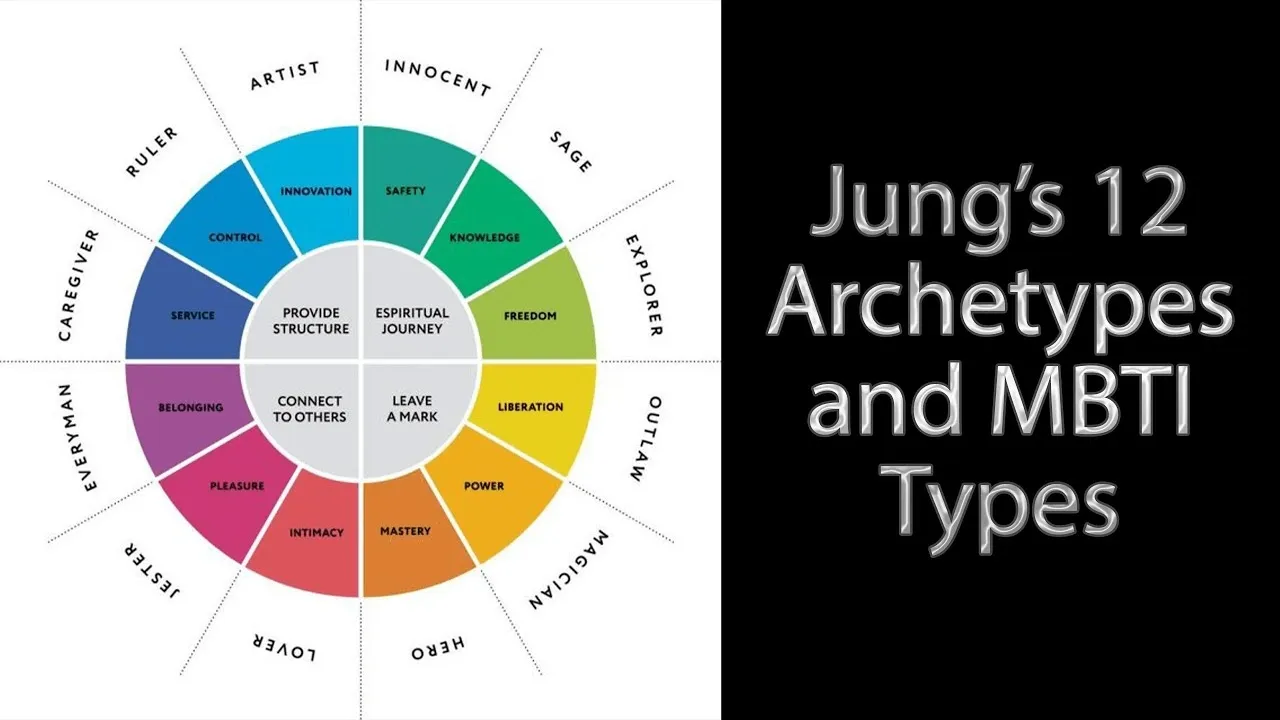
Life is a journey fashioned by individual experiences and transferred connections, each thread handling a purpose that is more serious about who we are. Carl Jung gave us a deep way to discover this internal world. It is a map that does not show physical locations but of the human mind.
Archetypes lie at the heart of Jung's work: universal schemes that engender our worries, desires, and motivations. These unconscious forces affect how we regard ourselves and the world around us. For therapists- and certainly for those offering life coaching therapy- notunderstanding all 12 Jungian archetypes will impede their capacity for deeper empathy and insight, which they could otherwise employ in guiding clients toward self-awareness, healing, and change.
Dr. Bren's gentle Jungian-Inspired approach can take you toward clarity and healing. Connect with Dr. Bren today.
What Are the 12 Jungian Archetypes?
Carl Jung thought that our conscious personality only exists above what is a shared part of the mind, which he called the collective unconscious, made up of common themes among humanity, or, in his parlance, archetypes. These shapes relate to how we think, feel, interact with others, and cope as we walk through life.
There are 12 Jungian archetypes, and they express various motivations, fears, and strengths. Though one archetype may be more prominent, all manifest across life. Recognizing such patterns can enhance self-awareness, strengthen relationships, and aid personal development. Jung views archetypes as recurring patterns or themes in behavior that reveal the unconscious forces that activate and create these experiences.
The 12 Jungian Archetypes at a Glance
| Archetype | Core Desire | Greatest Fear | Gift / Strength | Shadow Side | Example |
|---|---|---|---|---|---|
| Innocent | Happiness and safety | Doing something wrong or being punished | Optimism and hope | Naivety and denial | A trusting child who believes in the good of others |
| Everyman | Belonging and connection | Rejection or standing out | Empathy and reliability | Conformity and self-neglect | The dependable friend or supportive teammate |
| Hero | Proving worth through courage | Failure or weakness | Determination and resilience | Arrogance and burnout | A firefighter or athlete overcoming obstacles |
| Caregiver | Helping and protecting others | Selfishness or failing those in need | Compassion and generosity | Self-sacrifice and emotional exhaustion | A devoted parent, nurse, or counselor |
| Explorer | Freedom and discovery | Feeling trapped or limited | Independence and curiosity | Restlessness and dissatisfaction | A traveler seeking new experiences |
| Rebel | Change and liberation | Powerlessness or oppression | Courage to challenge the status quo | Destructive behavior and impulsiveness | A social activist challenging injustice |
| Lover | Intimacy and meaningful relationships | Rejection or loneliness | Passion and emotional connection | Jealousy and possessiveness | A devoted partner or passionate artist |
| Creator | Self-expression and innovation | Mediocrity or lack of originality | Imagination and creativity | Perfectionism and self-doubt | A writer, designer, or musician |
| Jester | Enjoying life and spreading joy | Boredom or taking life too seriously | Humor and optimism | Irresponsibility and avoidance | A comedian who lifts others' spirits |
| Sage | Knowledge and truth | Ignorance or being misled | Wisdom and insight | Overthinking and emotional distance | A teacher, philosopher, or mentor |
| Magician | Transformation and growth | Unintended consequences or failure | Vision and personal transformation | Manipulation and illusion | A therapist or inspirational leader |
| Ruler | Stability and order | Chaos or losing control | Leadership and responsibility | Control and authoritarianism | A respected leader guiding a community |

The 12 Jungian Archetypes Explained
Carl Jung conceived 12 archetypes representing important facets of human experience. He believed that we are typically predominantly characterized by one archetype- the others operate silently in the background to influence our thoughts, conduct, and relationships meaningfully. These archetypes stay within us, subtly showing our individual stories and how we direct the world.
Which of these 12 archetypes do you associate with the most?
1. The Innocent
The Innocent symbolizes purity, simplicity, and untainted faith in the integrity of the world. With a childlike sense of curiosity, this archetype is hopeful about life and tends to discover convenience and safety.
Strengths:
It is like a beam of sunshine that reaches and lifts the individuals around it.
Has a clear vision and finds beauty in everyday adventures.
Weaknesses:
Their innocence leaves them with no power over manipulations and lies.
They avoid competition and tough conversations, which hinders their individual growth.
2. The Everyman
The Everyman is the common man, down-to-earth, relatable, and friendly. They represent the common human understanding, genuinely depicting everyday life's lowly joys and problems.
Strengths:
Readily relates with others through experience and compassion.
Their gentle and caring personality makes them ideal for showing significant relationships.
Weaknesses:
Though versatile, they struggle to stand out because of their "average" nature.
Being too content with the status quo may limit their objectives and control new adventures.
3. The Hero
The Hero represents boldness, strength, and modification. They step outside their comfort zones, face trouble head-on, and return with understanding to inspire others.
Strengths:
Their strength and courage inspire others to overcome challenges.
Heroes inspire those around them to discover inner strength and persist through struggles.
Weaknesses:
Success can promote overconfidence, which may damage relationships.
Heroes are typically solo, burdened by loneliness or the weight of accountability.
4. The Caregiver
The Caregiver is inspired by an extreme need to care for and support others. They put the well-being of the weak first and find a sense of security and convenience.
Strengths:
Intense empathy and understanding provide a safe, caring atmosphere for others to rescue and develop.
Provides dynamic, spiritual, and physical care with real concern.
Weaknesses:
Their giving character can result in self-neglect, creating emotional and physical burnout.
The problem with boundary-setting can be emotional exhaustion from repeated openness to others' pain.
5. The Explorer
The Explorer succeeds on interest, adventure, and the necessity to find new frontiers. They always test boundaries—both within themselves and in their world.
Strengths:
Independent and courageous, they come to the unknown with an open mind and heart.
Adjustable to a high degree, using creativity and intelligence to cope with varying situations.
Weaknesses:
Restlessness interferes with being in the here and now.
Tendency to engage in risky behavior impulsively, without thinking about the consequences.
6. The Rebel
The Rebel is described by disobedience, nonconformity, and a passion for change. They aim to challenge living norms and fight for righteousness and freedom.
Strengths:
Motivate others to challenge power and support for their rights.
Contribute greatly to leading society forward and encouraging progress.
Weaknesses:
Their disobedience can create conflict, and they may feel mistaken afterward.
Daring and automatic, they act without thinking, which brings them into danger.
7. The Lover
The Lover is vibrant, connected, and in love with the ideal of beauty. They live for passion and close relationships with others and the world at large.
Strengths:
Capable of building meaningful and satisfying connections through emotional richness.
Has a wonderful sense of beauty and tends to excel at creative activities.
Weaknesses:
Being open-hearted makes them more sensitive to heartbreak.
Acting on inspirations from the heart can lead to rash conclusions and regrets.
8. The Creator
The Creator archetype is distinguished by imagination and innovation. Forced to share new and original creations with the world, Creators use their artistic expression to create a distinction.
Strengths:
Endless imagination gives elevation to revolutionary concepts that motivate others.
Their innovative contributions tend to trigger new thoughts and challenge boundaries.
Weaknesses:
The pursuit of an ideal may lead to constant self-criticism.
Their strong concentration on innovative activities may lead them to overlook relationships, which affects their friendships and familial connections.
9. The Jester
The Jester is humorous, has playful energy, and has a carefree mood towards life. They are skilled at using wit to entertain and lighten the mood around them.
Strengths:
They can bring comfort and laughter even in negative circumstances, assisting others in managing anxiety.
Their capability to have fun makes other people see life from a more optimistic, lighter side.
Weaknesses:
Risk of violating and unintentionally insulting other people with their sense of humor.
The vibrant depth of a Jester can be mistaken, with other people thinking they hide their feelings behind laughter.
10. The Sage
The Sage means learning, knowledge, and an ongoing search for truth. They are reliable counselors, delivering wisdom and guidance to those seeking enlightenment.
Strengths:
Sages offer excellent guidance in difficult situations.
Reputed for their problem-solving ability, they prepare the right questions and provide sage guidance to the troubled.
Weaknesses:
Their reflective nature makes them separate emotionally.
Tendency to overanalyse makes Sages get stuck in research, thus hampering decision-making.
11. The Magician
The Magicianis concerned with transformation and creating change. Tapping into power and understanding, they apply points beyond sight to structure their world and lives.
Strengths:
Magicians can modify and change others and themselves, leading individuals through changes and helping them overcome hurdles.
Natural leaders authorize others to reach their goals and unleash their potential.
Weaknesses:
Power tends to corrupt, and they might use their talents for personal benefit or control.
Magicians can lose contact with reality, too enmeshed in the infinite possibilities for change.
12. The Ruler
The Ruler symbolizes supervision, authority, and a feeling of order. They have power with accountability and sustain others' welfare while keeping things steady.
Strengths:
Rulers are very skilled at providing stability, inspiring loyalty, and bringing people together towards a common cause.
They are immensely reliable and intent on making a favorable and important contribution to the world.
Weaknesses
Sometimes, rulers can evolve into egocentric movements, assuming that their rule is absolute.
Their focus on staying in control can restrict them from responding to change and embracing innovation.
Did Jung Create the 12 Archetypes?
Carl Jung introduced the concept of archetypes and the collective unconscious, but he did not create an official list of exactly 12 archetypes. Instead, he described many recurring figures, such as the Shadow, Self, Anima, and Wise Old Man.
The popular framework of the 12 archetypes was developed later by authors inspired by Jung's work. It organizes common personality patterns into a simple model that is widely used today for personal growth, coaching, and psychology.
The Role of Archetypes in Jungian Therapy
The Jungian archetypes mirror the inner self, allowing one to gain further self-awareness, lead authentically, and communicate effectively.
Self-awareness: Understanding archetypes renders visible deficits in decision-making, individual fears, and desires, heightening empathy and better decision-making.
Authenticity: When leaders generate acceptance for personality differences, a trust-filled environment will support stronger links in teams.
Influential Communication: By knowing archetypes, one starts to join the other side in communications; in other words, one looks at why the other person acts and behaves in a certain way, creating a meaningful connection through communication.
There are several tests for Jungian archetypes. Each one attempts to reveal the dominant archetypes in an individual and shed light on their motivations, behaviors, and personality archetypes. Tests such as Myers-Briggs also help explore these traits, strengthening self-awareness and personal growth.
Although there are many options, one tool has the prestige of being the only scientifically validated Jungian archetype assessment in the world, upon which a unique and highly reliable way to truly understand oneself rests.
Welcome Your Archetypes and Unlock Your True Potential With Dr Bren
12 Jungian archetypes deliver deep insight into the human condition, exposing familiar patterns of manners that influence our lives. Dr Bren's Jungian therapy techniques can help you if you wish to find these ways and delve into your inner world.
Every archetype, from the caring Caregiver to the betrayer Rebel, is an additional aspect of our psyche. The archetypes are a point of our fears, wants, and reasons. Studying these qualities, we become knowledgeable about them and better comprehend ourselves.
Jung's archetypes are useful for learning about human nature, allowing us to better understand our place in our life script. Reach out to Dr Bren to guide your life.
4 Days of Micro Coaching with Dr. Bren
Move from the Analytic to the Symbolic — one soulful message at a time.
Enter your email below to begin the journey!

About the Author, Dr Bren:
Dr. Bren Hudson is a holistic psychotherapist, life coach, and couples counselor specializing in Jungian depth psychology and spiritual transformation. With a PhD in Depth Psychology from Pacifica Graduate Institute, she integrates Jungian analysis, Buddhism, and somatic practices to help clients uncover unconscious patterns, heal trauma, and foster authentic self-expression. Her extensive training includes certifications in Internal Family Systems (IFS), Emotionally Focused Therapy (EFT), HeartMath, Reiki, and the Enneagram, as well as studies in archetypal astrology and the Gene Keys. Formerly a corporate consultant, Dr. Bren now offers online sessions to individuals and couples worldwide, guiding them through personalized journeys of healing and self-discovery.
Connect with Dr. Bren:
FAQs
-
The 12 archetypes are metaphorical expressions of universal patterns in human manners, not physical entities. They exist in our minds, affecting how we see and interact with the world.
-
Each archetype has a shadow aspect, representing its darker traits, such as:
Innocent: Naivety
Everyman: Fear of standing out
Hero: Arrogance
Caregiver: Over-sacrifice
Explorer: Restlessness
Rebel: Destructive defiance
Lover: Possessiveness
Creator: Perfectionism
Jester: Irresponsibility
Sage: Elitism
Magician: Manipulation
Ruler: Dictatorship
-
The Magician is infrequent, representing modification, profound wisdom, and the power to effect profound change.
-
Dr Bren uses archetypes to uncover his clients' unconscious patterns in the quest for self-awareness and the integration of these clients' repressed areas to heal and grow.
-
Dreams illustrate inherent archetypes and, in doing so, provide hints of the hidden parts of the self. Working through such dreams associated with unconscious material helps resolve internal conflicts.
Need Help? Contact Dr Bren
Animate your Soul for Life!
Send me a message right now to get started on your soulful journey. Together, we will create a coaching plan that is unique and perfect for you.
DR BREN | Buddhist and Jungian Psychology
6 Skyview Ct, Asheville, NC 28803, United States
Mobile +1 828-708-0045 Email Bren@drbren.com
